Burns Park is one of Ann Arbor, Michigan's most historic residential neighborhoods, located immediately southeast of the University of Michigan Central Campus in ZIP code 48104. Defined by tree-lined streets, historic 1920s architecture, and high walkability to downtown, Burns Park features median home values ranging between $750,000 and $1,250,000, top-rated Ann Arbor Public Schools, and strong long-term real estate value.
Metric | Neighborhood Value |
|---|---|
Primary ZIP Code | 48104 |
County | Washtenaw County |
Median Home Price | $850,000 - $1,200,000 |
School District | Ann Arbor Public Schools (Burns Park Elementary, Tappan Middle, Pioneer High) |
Distance to U-M Central Campus | 0.5 to 1.0 miles (approx. 10-15 minute walk) |
Explore current real estate listings in Burns Park or connect directly with local neighborhood specialist JoAnn Barrett.
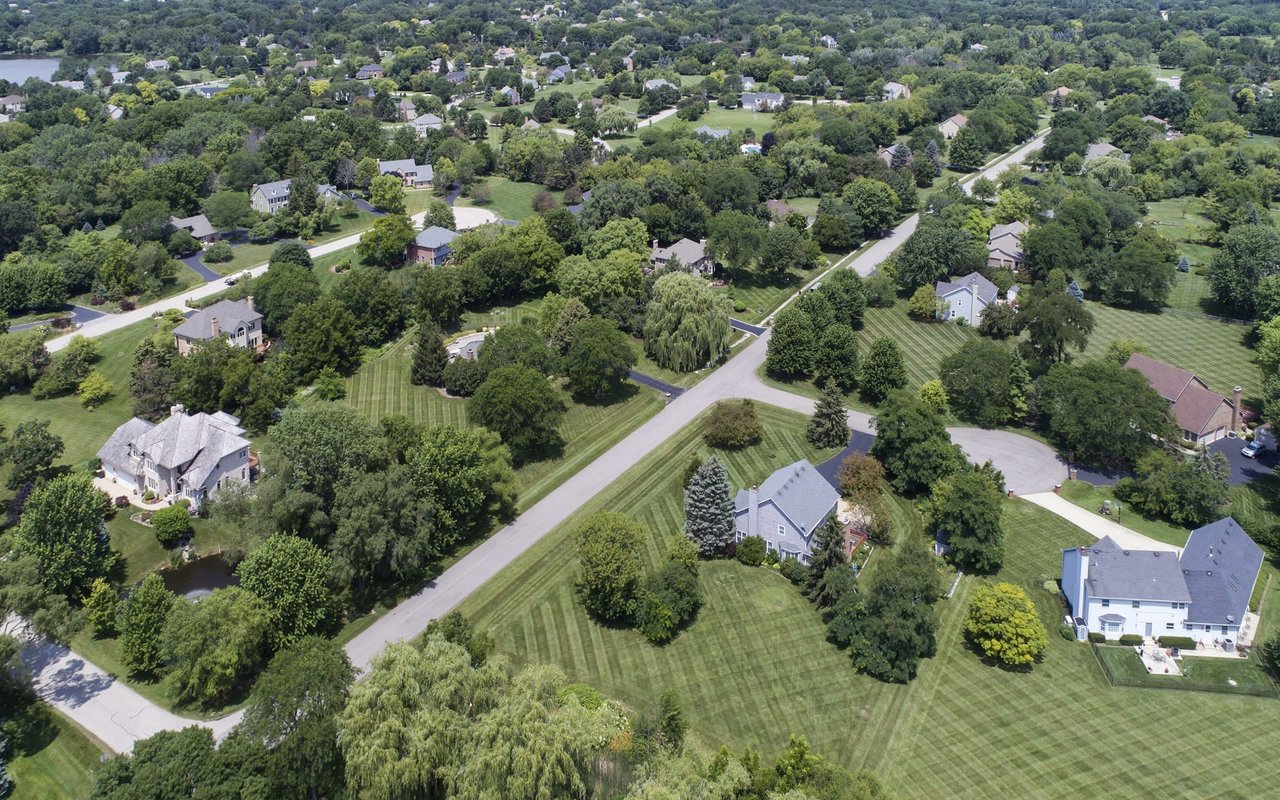
Bounded roughly by South State Street to the west, Hill Street to the north, Granger Avenue to the south, and Washtenaw Avenue to the east, Burns Park represents the quintessential Ann Arbor residential setting. Known for its mature canopy trees, brick sidewalks, and historic homes, the neighborhood seamlessly connects academic facilities, local parks, and commercial districts.
Residents enjoy immediate proximity to university research centers, cultural venues, and community parks. Key sub-districts include North Burns Park, Lower Burns Park, and the historic streets surrounding the central park grounds.
Burns Park offers an active, walkable community lifestyle favored by university professors, medical center staff, legal professionals, and families. The neighborhood is widely celebrated for its tight-knit community traditions, including active neighborhood associations, block parties, and famous fall celebrations along Lincoln and Wells streets.
While primarily residential, Burns Park sits minutes from local commercial pockets along Packard Street and South State Street. Residents enjoy easy access to local coffee shops, neighborhood bakeries, independent markets, and the vibrant dining hubs of Downtown Ann Arbor and Kerrytown.
In addition to the central 15-acre Burns Park, residents are short distances from Lower Town parks, the Huron River recreation corridors, and Nichols Arboretum ("The Arb"). Paved sidewalks and designated bike lanes make commuting to campus or downtown simple without requiring a vehicle.
Public education for Burns Park families is served by the acclaimed Ann Arbor Public Schools district. Children typically attend Burns Park Elementary School, Tappan Middle School, and Pioneer High School or Huron High School depending on exact address boundaries.
The Burns Park real estate market is defined by strong demand, low inventory, and sustained property value retention. Architectural styles range from 1920s Craftsman bungalows, Colonial Revivals, and Tudor Revivals to thoughtfully modernized historic estates.
To evaluate surrounding communities, compare our Ann Arbor Hills Neighborhood Guide or view nearby Barton Hills Properties.
JoAnn Barrett is a top-producing real estate advisor specializing in premier Ann Arbor neighborhoods, including Burns Park, Ann Arbor Hills, and Downtown luxury properties. With deep local market expertise and data-driven strategy, JoAnn provides seamless representation for buyers and sellers across Washtenaw County.
Median home prices in Burns Park typically range between $750,000 and $1,250,000, with single-family properties varying based on square footage, historical restoration, and proximity to Central Campus. Larger restored homes on prime streets like Baldwin or Lincoln can exceed $1,500,000.
Yes, Burns Park is one of the most walkable neighborhoods in Ann Arbor. Most homes sit between 0.5 and 1.0 mile from Central Campus, the Ross School of Business, and the Law Quad, permitting a 10- to 20-minute walk or quick bike ride.
Burns Park is served by Ann Arbor Public Schools. Students inside the neighborhood attend Burns Park Elementary School, Tappan Middle School, and Pioneer High School.
The neighborhood predominantly features classic early 20th-century architecture, including Craftsman Bungalows, Colonial Revivals, Dutch Colonials, Tudor Revivals, and Victorian-era residences built primarily between 1900 and 1940.
Burns Park, particularly around Lincoln and Wells streets, is renowned across Washtenaw County for its trick-or-treating festivities, drawing thousands of local families each year due to its dense, walkable street layout and community participation.
Market statistics and neighborhood data sourced from Washtenaw County property records, Ann Arbor Area Board of REALTORS MLS listings, and Ann Arbor Public Schools district maps.
8,767 people live in Burns Park, where the median age is 29 and the average individual income is $46,942. Data provided by the U.S. Census Bureau.
Total Population
Median Age
Population Density Population Density This is the number of people per square mile in a neighborhood.
Average individual Income
There's plenty to do around Burns Park, including shopping, dining, nightlife, parks, and more. Data provided by Walk Score and Yelp.
Explore popular things to do in the area, including Stadium Market, Get Your Game On, and Community Day Care.
| Name | Category | Distance | Reviews |
Ratings by
Yelp
|
|---|---|---|---|---|
| Dining · $$ | 0.42 miles | 52 reviews | 4.4/5 stars | |
| Shopping | 0.46 miles | 0 reviews | 0/5 stars | |
| Active | 0.14 miles | 0 reviews | 0/5 stars | |
| Active | 0.29 miles | 6 reviews | 4/5 stars | |
| Active | 0.35 miles | 1 review | 5/5 stars | |
|
|
||||
|
|
||||
|
|
||||
|
|
||||
|
|
||||
|
|
Burns Park has 2,731 households, with an average household size of 3. Data provided by the U.S. Census Bureau. Here’s what the people living in Burns Park do for work — and how long it takes them to get there. Data provided by the U.S. Census Bureau. 8,767 people call Burns Park home. The population density is 23,969 and the largest age group is Data provided by the U.S. Census Bureau.
Total Population
Population Density Population Density This is the number of people per square mile in a neighborhood.
Median Age
Men vs Women
Population by Age Group
0-9 Years
10-17 Years
18-24 Years
25-64 Years
65-74 Years
75+ Years
Education Level
Total Households
Average Household Size
Average individual Income
Households with Children
With Children:
Without Children:
Marital Status
Blue vs White Collar Workers
Blue Collar:
White Collar: