Wondering how much you should fix before selling a historic Old West Side home? That question comes up often, especially when you want to protect the home’s character without over-improving it. If you are getting ready to list, it helps to know which updates matter most, which exterior changes may need review, and how to present the home in a way that speaks to the right buyer. Let’s dive in.
Why Old West Side Needs a Different Approach
Old West Side is not just an older neighborhood with charming houses. Ann Arbor’s survey materials describe it as a historic district of roughly 33 blocks with 958 surveyed properties, listed in the National Register in 1972 and later governed under Chapter 103.
The housing stock is known for modest frame single-family homes from the late 1800s through the early 1900s, along with wide porches, narrow and deep lots, mature street trees, and a mix of architectural styles. You may see Greek Revival, Italianate, Queen Anne, Colonial Revival, Craftsman, bungalow, and some brick homes throughout the district.
That matters when you sell. Buyers in Old West Side are often responding to the setting and the architectural character as much as the square footage, so your home’s preserved details can play a major role in its appeal.
Focus on Condition First
Before you think about cosmetic touches, start with the items most likely to raise concerns during a buyer inspection or lender review. In an older home, those areas often include the structure, foundation, roof, siding and trim, windows and doors, plumbing, electrical, heating and cooling, insulation, and signs of water intrusion.
If you know a major issue exists, addressing it before listing can reduce surprises later. Deferred maintenance can affect both buyer confidence and your negotiating position, especially in a historic district where correct repairs may cost more than simple replacement.
Prioritize the Big-Ticket Items
A practical pre-listing review should focus on:
- Foundation or structural concerns
- Roof condition and active leaks
- Exterior siding and trim damage
- Window and door function
- Plumbing issues
- Outdated or unsafe electrical components
- Heating and cooling performance
- Moisture intrusion or drainage problems
These are the issues most likely to trigger repair requests, price reductions, or lender conditions before closing.
Know What the Historic District Reviews
One of the most important things to understand is that exterior work is regulated differently from interior work. In Ann Arbor’s historic districts, the Historic District Commission reviews exterior work to houses, accessory structures, fences, decks, patios, additions, and similar site features.
Interior work is generally not reviewed unless it affects the exterior. Ordinary maintenance is also treated differently from work that changes the building’s appearance.
Ordinary Maintenance vs. Visible Changes
This distinction is important before you hire anyone. Like-for-like clapboard repair may be considered ordinary maintenance, while changing porch posts, enlarging openings, rebuilding a porch, or replacing a non-original door can trigger review.
If you are planning visible exterior work before listing, it is smart to check with HDC staff early. That simple step can help you avoid delays, rework, or changes that do not support resale value.
Do Not Aim for a Museum Restoration
Many sellers assume a historic home has to be restored back to one exact period before it will show well. Ann Arbor’s guidance says that is not the goal.
The city uses rehabilitation standards, which are meant to preserve significant historic materials while still allowing the house to function for modern living. In other words, you do not need to turn your home into a museum piece to prepare it for market.
What Buyers Usually Want
In a neighborhood like Old West Side, buyers often appreciate homes that feel authentic, cared for, and livable. They are not necessarily looking for perfection. They are often looking for original character, sensible updates, and confidence that the home has been maintained thoughtfully.
Repair Before You Replace
This is especially important with historic windows and other original materials. Ann Arbor’s window guidance says windows installed before 1945 on contributing structures are character-defining and should remain in place and be repaired or refurbished when possible.
Replacement is generally reserved for windows that are deteriorated beyond repair, and any replacements should closely match the originals. The city also notes that replacement windows are generally inappropriate for historic houses.
Better First Steps for Drafty Windows
If your windows feel drafty, you may have more options than you think. The city recommends approaches such as:
- Basic repair
- Weatherstripping
- Caulking
- Storm windows
These improvements can help comfort and energy performance without sacrificing historic character. They also tend to align better with what buyers expect in a district known for preserved architecture.
Choose Contractors Carefully
Not every contractor is the right fit for a historic home. Ann Arbor notes that contractors without preservation experience may default to wholesale replacement instead of repair.
That can be a problem when original materials are part of the home’s value. A contractor who understands historic buildings may be better able to offer cost-effective solutions that preserve the features buyers notice most.
Handle Lead and Asbestos With Care
Because much of Old West Side was built before 1945, lead-based paint should be treated as a normal due-diligence item. For most pre-1978 housing, sellers must disclose known lead information and provide the required materials and testing rights.
If you are planning renovation, repair, or painting work that could disturb lead paint, lead-safe certified firms and lead-safe work practices are required under the EPA’s Renovation, Repair and Painting rule.
Watch for Asbestos During Prep Work
Asbestos is another issue to keep in mind before starting disruptive work. If suspect materials are damaged, or if renovation could disturb them, they should be sampled by a trained and accredited asbestos professional.
In older homes, this can come up in materials like floor tile, ceiling tile, or old pipe wrap. Even small pre-listing projects can become more complicated if hidden materials are disturbed.
Stage for Character, Not a Blank Slate
Old West Side homes are often modest in scale, but rich in detail. That means staging should support the home’s proportions and draw attention to what makes it special.
Instead of trying to make the home feel generic or overly remodeled, focus on showing the features that are hard to recreate.
Features to Highlight
When preparing the home for photos and showings, try to emphasize:
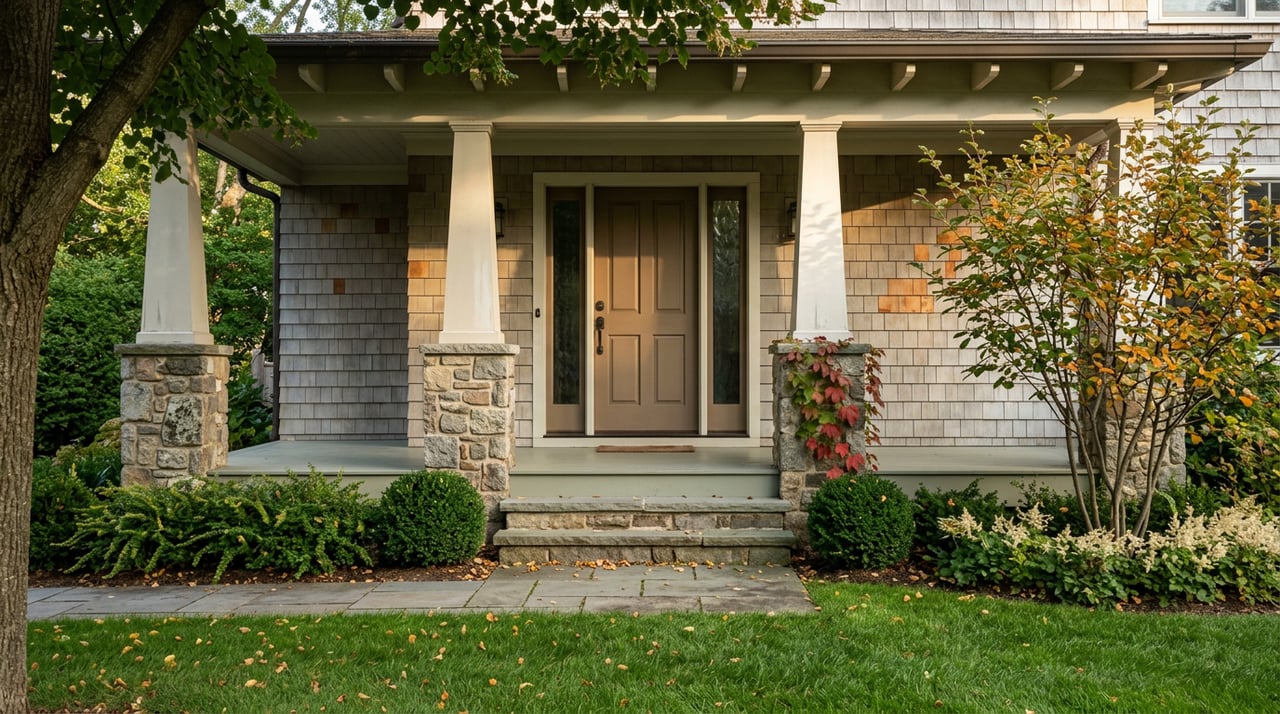
- Front porch presence
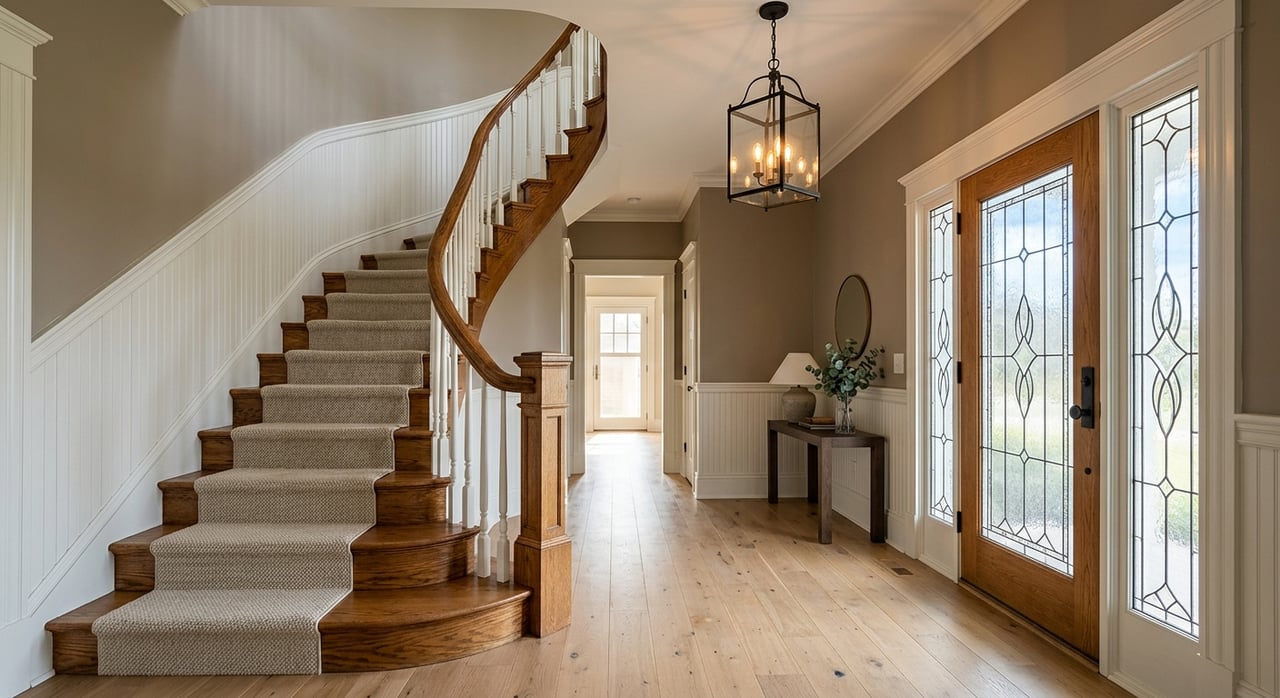
- Original woodwork or stair details
- Historic windows
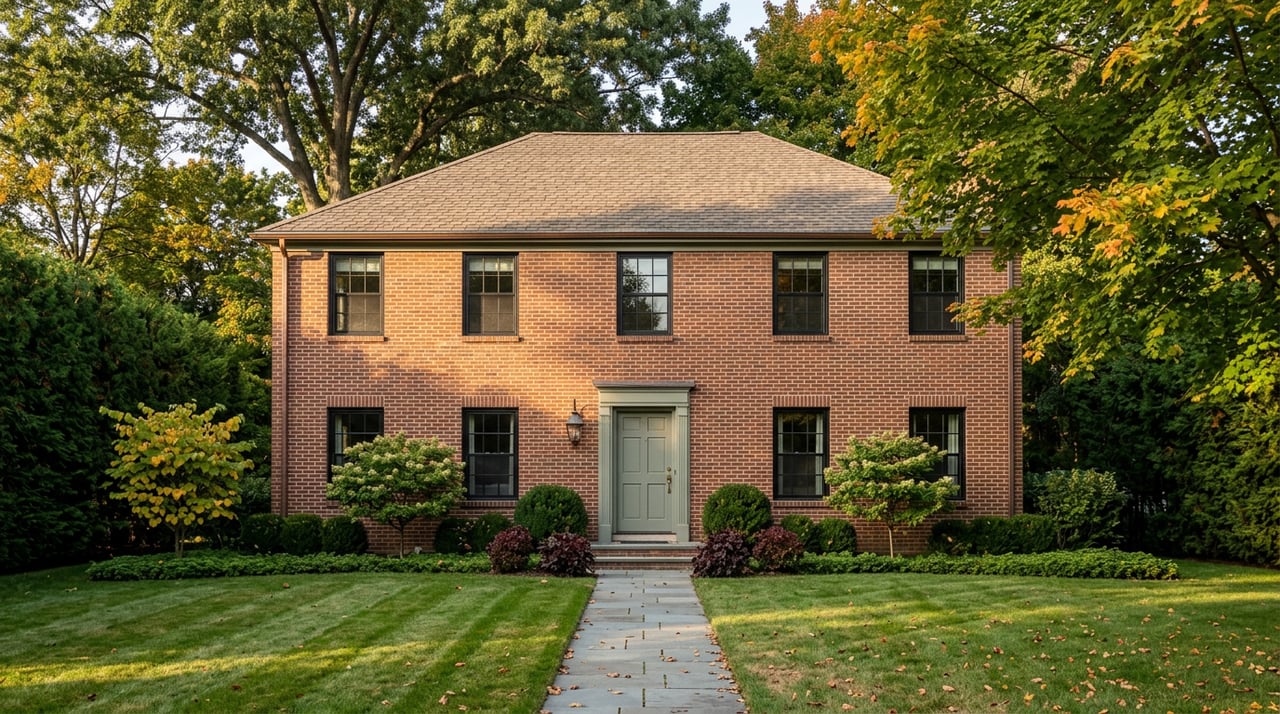
- Brick or trim details
- Natural light
- Mature trees and the lot setting
Keep rooms light, simple, and uncluttered. Oversized furniture or heavy décor can make smaller historic rooms feel tighter and distract from the craftsmanship.
Be Thoughtful With the Exterior Setting
In Old West Side, the lot and streetscape contribute to the overall appeal. Ann Arbor’s guidance says significant landscape features can also be reviewed by the HDC, including mature trees, historic fences, driveways, walkways, stone walls, and other character-defining open-space features.
That does not mean you should skip exterior cleanup. It does mean you should be careful about removing older features just to create a more modern look.
Smart Exterior Prep
Good pre-listing steps often include:
- Cleaning up planting beds
- Trimming overgrowth
- Refreshing paint where appropriate
- Repairing worn exterior details
- Making the porch feel open and inviting
Ann Arbor also notes that paint color is typically not regulated in local historic districts unless paint has been documented as a significant historic feature. That gives you some room to refresh the look with colors that suit the home’s style.
Price With Future Work in Mind
Historic homes can create strong emotional appeal, but buyers still look closely at condition. If the home has visible deferred maintenance, that can affect price directly.
In a district like Old West Side, the effect may be even stronger when the needed work involves exterior items or character-defining elements. Buyers understand that preserving those features properly can cost more than basic replacement.
That is why pricing should reflect both the home’s charm and the likely cost of unfinished work. A well-prepared home with solid documentation often has a stronger position in the market than a home that leaves too many questions unanswered.
Keep a Strong Seller File
A clear paper trail can make a big difference. Buyers, appraisers, and lenders all feel more confident when the work history is easy to understand.
A practical pre-listing file may include:
- Inspection reports
- Contractor invoices
- Repair receipts
- Permits
- Historic District Commission approvals
- Records of final approved changes
- Lead-related disclosure or mitigation records
This kind of preparation helps support the story of a well-cared-for home.
Market the Home as Well-Preserved
When it is time to list, the strongest message is often not “fully redone.” In Old West Side, a better message is usually “well-preserved, well-maintained, and thoughtfully prepared.”
That framing respects what makes the district special. It also helps attract buyers who value original materials, architectural detail, porch character, and the overall historic setting.
If you are preparing to sell an Old West Side home, the best results usually come from a careful balance of repair, presentation, documentation, and pricing strategy. That kind of preparation protects the home’s character while making it easier for buyers to say yes. If you would like thoughtful guidance on how to position your home for today’s Ann Arbor market, JoAnn Barrett can help you create a smart, tailored plan.
FAQs
What repairs matter most before selling an Old West Side historic home?
- Focus first on structure, foundation, roof, siding and trim, windows and doors, plumbing, electrical, heating and cooling, insulation, and any signs of water intrusion.
Does exterior work on an Old West Side home need Historic District Commission review?
- Many exterior changes do. Ann Arbor reviews exterior work to houses, accessory structures, fences, decks, patios, additions, and similar site features, while ordinary maintenance is treated differently.
Should you replace original windows before listing an Old West Side home?
- Usually, repair is the better first step. Ann Arbor’s guidance says pre-1945 windows on contributing structures should be repaired or refurbished when possible, with replacement reserved for windows beyond repair.
Do you need to restore an Old West Side house to its original condition before selling?
- No. Ann Arbor’s standards focus on rehabilitation, not museum-style restoration, so the goal is to preserve significant historic features while keeping the home functional for modern living.
What documents should sellers keep for an Old West Side home sale?
- Keep inspection reports, receipts, contractor invoices, permits, HDC approvals, records of approved changes, and any lead-related disclosure or mitigation records.