Wondering what it’s really like to buy a home in Burns Park? You are not alone. This is one of Ann Arbor’s most established and sought-after areas, and it can feel both exciting and a little intimidating when you start comparing prices, streets, and older homes. The good news is that with the right expectations, you can shop more confidently and spot the details that matter most. Let’s dive in.
Why Burns Park draws buyers
Burns Park sits just south of central Ann Arbor, which gives you close access to downtown, the University of Michigan campus, and everyday city amenities. For many buyers, that mix of location, character, and convenience is the big draw.
The area is also closely connected to the 15-acre Burns Park itself. The park includes Burns Park Elementary School, the Ann Arbor Senior Center, playgrounds, ball fields, tennis and pickleball courts, and nearby bus stops. It is accessible on foot and by bike, and Crary Park and Postman’s Rest Park are also about a 10 to 15 minute walk away.
If walkability and biking matter to you, Lower Burns Park offers another useful clue. Redfin rates it as very walkable and very bike-friendly, with a Walk Score of 77 and a Bike Score of 94.
Burns Park varies block by block
One of the most important things to know is that Burns Park is not the same on every street. Around Packard and Hill, older houses sit alongside fraternity, sorority, co-op, and student-oriented housing. The broader area also includes South University commercial space and some apartment buildings.
For you as a buyer, that means one block may feel quiet and residential while another may have more activity, parking pressure, or noise. Two homes with similar square footage can feel very different based on street location alone.
This is why a quick online search is not enough in Burns Park. You want to pay attention to the immediate surroundings, parking setup, traffic patterns, and the overall feel of the block at different times of day.
What homes look like here
Burns Park is known for older housing stock with real architectural character. Many homes date from the early to mid-20th century, and some go back even further. Home tour and historic study examples include houses built in 1898, 1904, 1910 to 1911, 1912, and 1920, with many nearby blocks developed largely from the 1910s through the 1940s.
You will see many classic Ann Arbor styles here. Common examples include Craftsman, Arts and Crafts, Tudor Revival, Colonial Revival, Georgian Revival, bungalow, Cape Cod, and kit-house variations such as semi-bungalows, four-squares, Dutch Colonials, and Georgians.
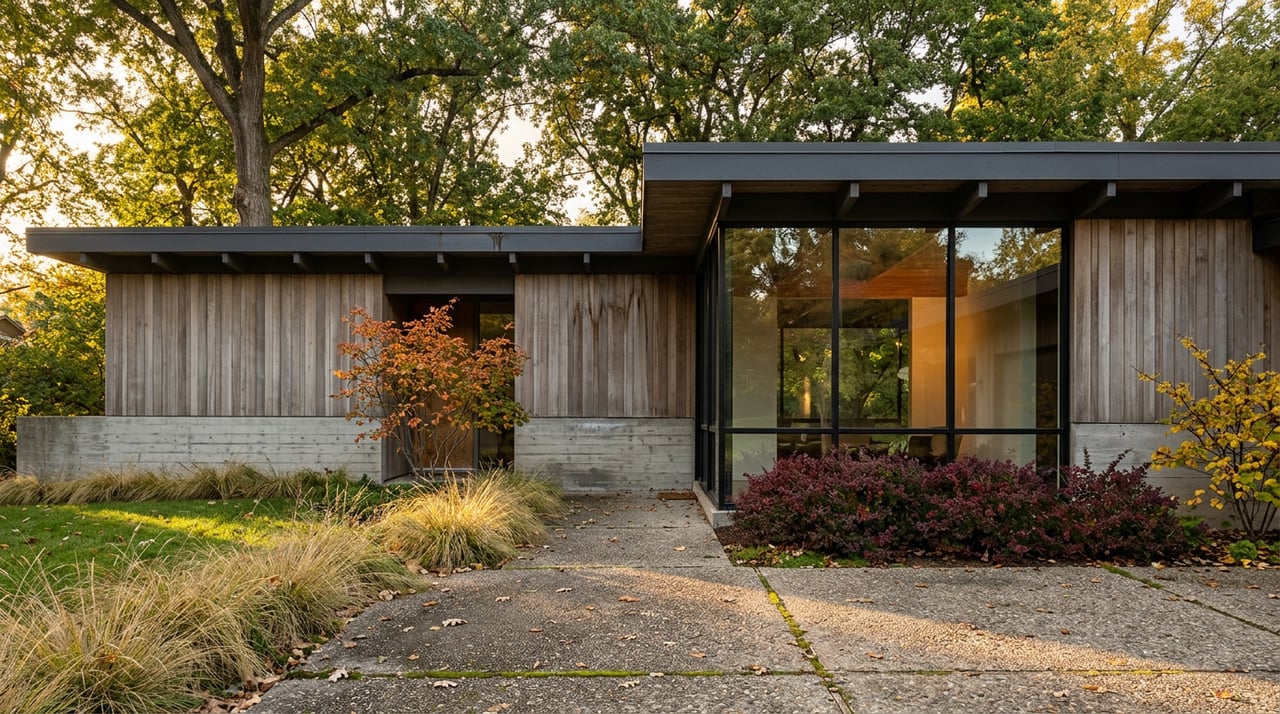
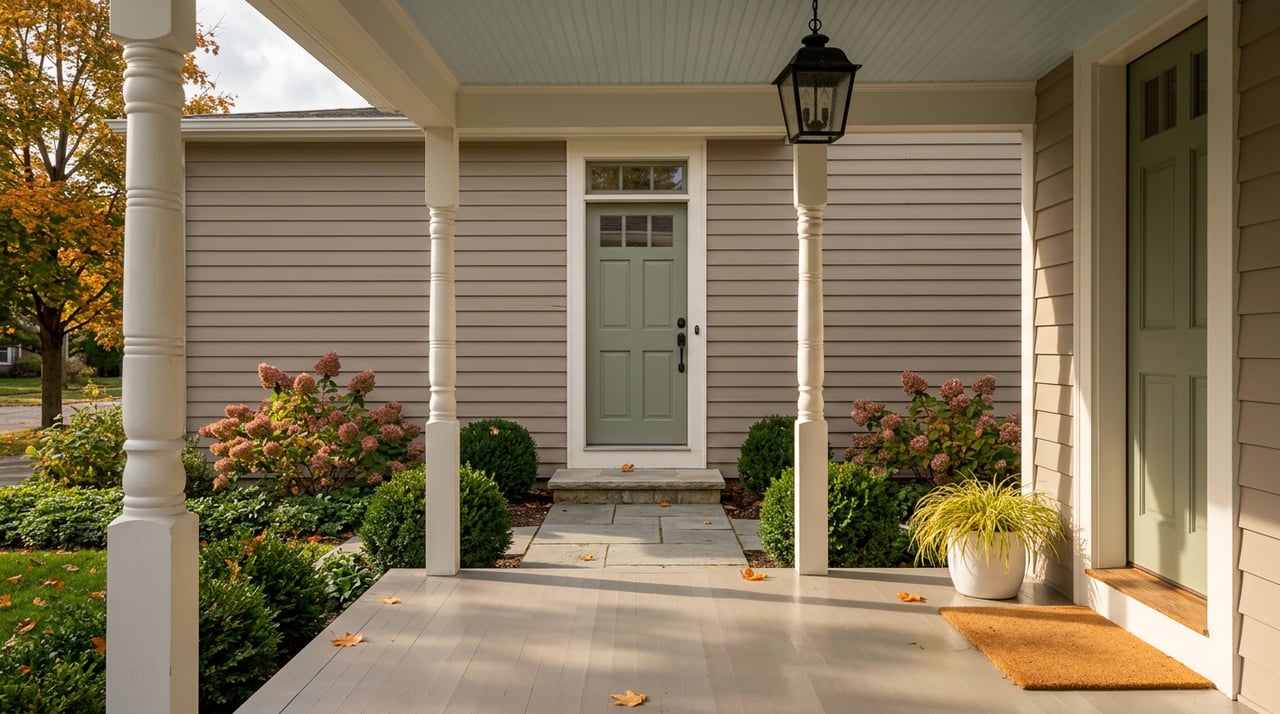
That architectural variety is a big reason buyers love Burns Park. Mature trees, original trim, established streetscapes, and houses with distinctive details can create a sense of place that is hard to replicate in newer neighborhoods.
Charm often comes with tradeoffs
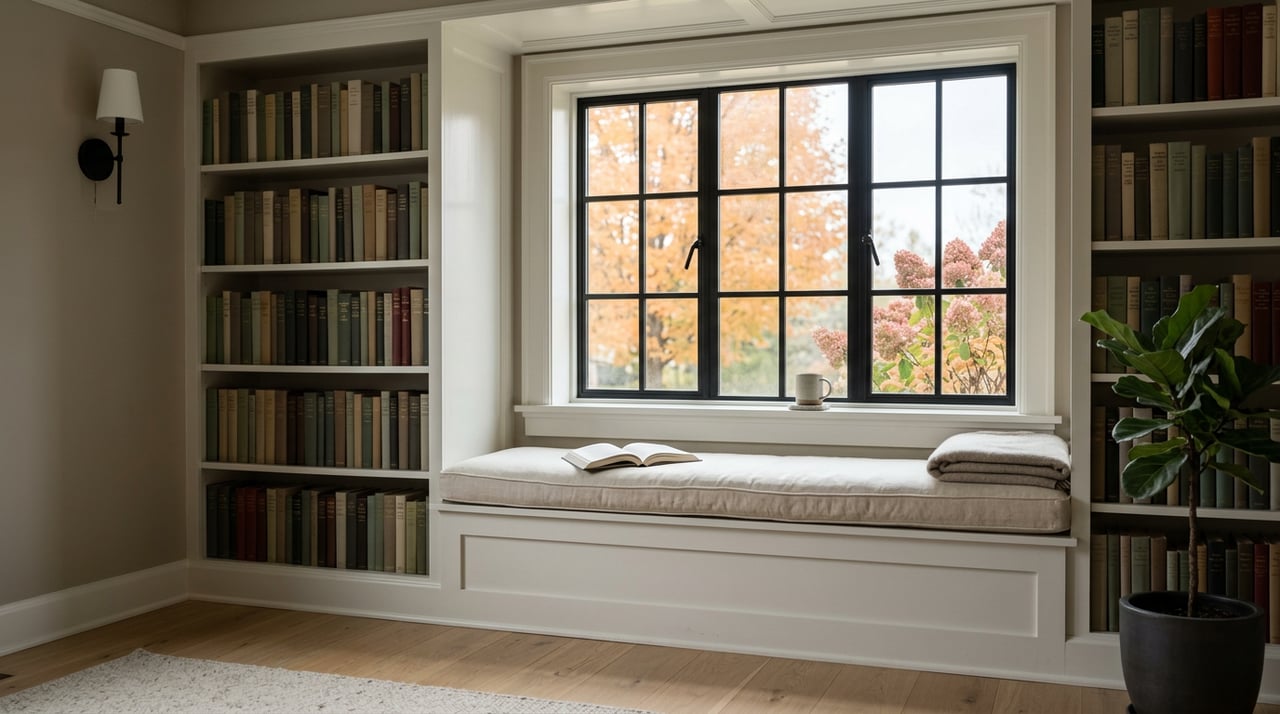
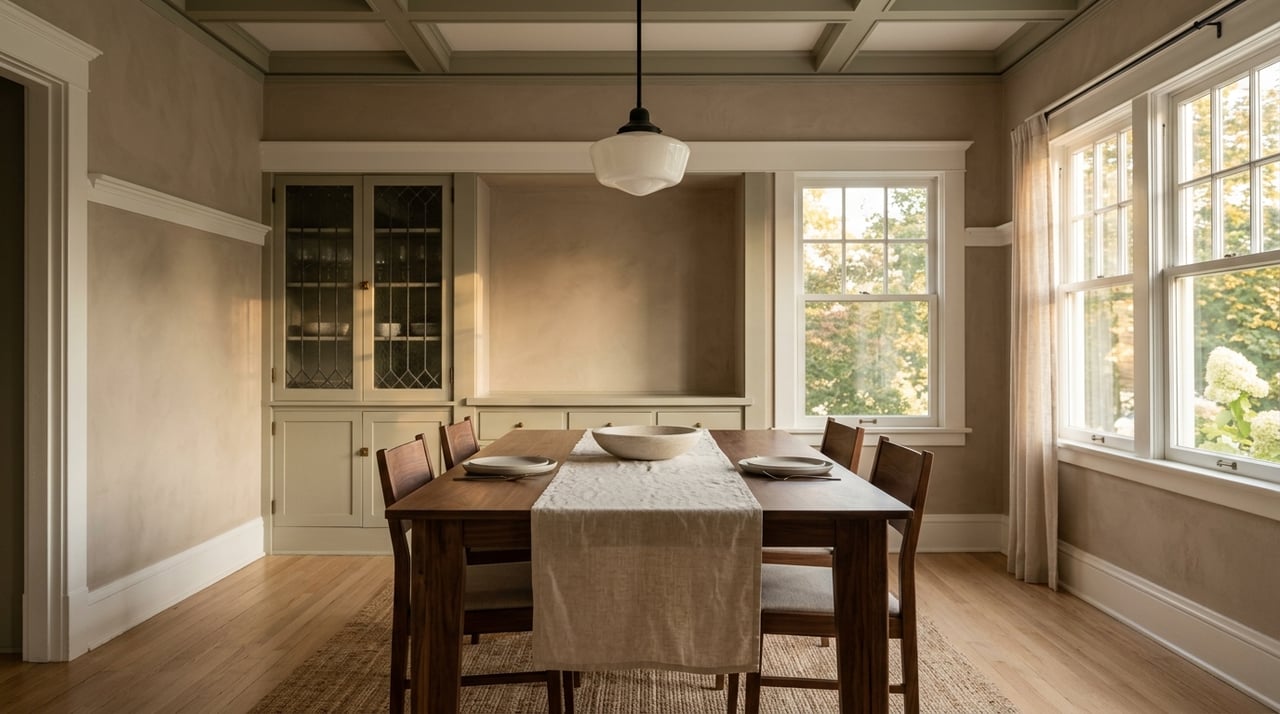
Older character homes can be wonderful, but they usually ask you to balance beauty with practicality. In Burns Park, that may mean smaller closets, older room layouts, sleeping porches, butler’s pantries, or systems that were updated in phases instead of all at once.
Many homes have seen modest renovations over time. Kitchens may have been reworked, baths may have been added, and finishes may reflect several different eras of ownership. That does not automatically mean a problem, but it does mean you should look closely at how updates were done and how well they fit the house.
If you love historic homes, Burns Park can offer exactly the kind of character you want. You just want to go in with clear eyes about maintenance, layout compromises, and the likelihood that no two homes will be updated the same way.
Historic status matters parcel by parcel
Burns Park feels historic, but that does not mean every home is subject to the same rules. Local historic-district review applies only where a property is actually inside a designated district.
That distinction matters if you are thinking ahead about windows, additions, fencing, decks, patios, mechanical equipment, or other exterior changes. In Ann Arbor, some of those items may require staff review or Historic District Commission approval when a property falls within a local historic district.
A good example is the Robert and Erma Hayden House on Gardner Avenue, which was adopted as a separate historic district. The practical takeaway is simple: verify the status of the specific parcel before assuming exterior changes will be routine.
Burns Park pricing in context
Burns Park generally commands a premium compared with Ann Arbor overall. Zillow’s June 30, 2026 home value index places Burns Park at $814,074, while Ann Arbor overall is $540,694. Zillow also shows only 14 homes for sale in Burns Park compared with 487 across Ann Arbor citywide, which points to limited inventory.
Micro-market data gives a slightly different but still premium picture. In Lower Burns Park, Redfin reports a median sale price of $581,000 over the last three months, with homes selling in about 35 days. Realtor.com reports homes near Burns Park Elementary averaging 34 days on market with a median listing price of $534,900.
These figures are not perfectly apples to apples because they use different boundaries and different metrics. Still, the pattern is clear: Burns Park tends to be a higher-priced, lower-inventory market where exact location, lot size, updates, and parking can have a big effect on value.
How Burns Park compares nearby
If you are choosing between close-in Ann Arbor neighborhoods, Burns Park often lands above the broader city market and above Old West Side, while remaining below some of the highest-priced east-side and arboretum-adjacent areas.
For reference, Zillow shows Old West Side at $613,969, Ives Woods at $962,108, and Geddes Arboretum at $1,274,261. Redfin also reports the Old West Side Historic District as very competitive, with a median sale price of $675,000 and homes selling in about 36 days.
That range can help you frame expectations. Burns Park is not simply “expensive Ann Arbor.” It sits in a middle ground where buyers are paying for location, architecture, and neighborhood identity, but where values can still shift meaningfully from one pocket to another.
What competition means for your offer
You should expect some competition when buying in Burns Park. Redfin classifies Ann Arbor as somewhat to very competitive depending on the data set, and Lower Burns Park as somewhat competitive, with some homes receiving multiple offers.
In practice, that means preparation matters. A strong pre-approval, quick decision-making, and an offer that is clean but still protects your interests can make a real difference.
This is where local guidance becomes especially valuable. In a neighborhood with low inventory and older homes, you are not just deciding how much to offer. You are also deciding how to weigh condition, street location, future work, and the risk of losing out while you think things over.
Inspection priorities for older homes
If you are buying a Burns Park home, your inspection strategy should reflect the age and character of the housing stock. Older homes deserve extra attention to moisture and building-envelope issues.
The National Park Service notes that loose windows and doors, cracks near foundations, and gaps around pipes and wires are common leak points, and that moisture is a major threat to historic buildings. It also notes that sensitive upgrading of mechanical, electrical, and plumbing systems is appropriate in preservation work.
That makes a careful inspection plan especially important here. In Burns Park, you will usually want to focus on:
- Roof condition
- Gutter and drainage performance
- Window condition and integrity
- Signs of prior water intrusion
- Attic and insulation details
- The condition of older mechanical, electrical, or plumbing updates
In many character homes, compatibility and quality of repair matter just as much as whether something is brand new. A house with thoughtful updates may be more appealing than one with recent work that does not fit the structure well.
How to shop Burns Park wisely
The smartest Burns Park buyers usually combine emotion with discipline. It is easy to fall in love with a facade, a front porch, or original millwork, but it helps to keep your checklist close.
As you tour homes, try to evaluate each property in layers:
- Location layer: How does the specific block feel day to day?
- House layer: How much original character remains, and how functional is the layout?
- Update layer: Were kitchens, baths, windows, and systems updated thoughtfully?
- Future layer: Will you want exterior changes, and if so, does historic status affect them?
- Value layer: Does the asking price reflect the home’s condition, parking, lot, and location within Burns Park?
This kind of framework can help you stay grounded in a competitive search. It also helps you compare homes more fairly when no two properties are exactly alike.
Why guidance matters in Burns Park
Buying in Burns Park is rarely just about square footage. You are often weighing architecture, renovation history, walkability, lifestyle fit, and a street-by-street market that does not always show up clearly in broad city data.
That is why local context matters so much. When you understand how Burns Park varies, what older homes tend to need, and how pricing behaves within the neighborhood, you can make better decisions and feel more confident in them.
If you are considering a move to Burns Park or comparing it with other Ann Arbor neighborhoods, JoAnn Barrett can help you evaluate homes with a clear eye and a steady strategy.
FAQs
What is it like to live near Burns Park in Ann Arbor?
- Burns Park offers close access to downtown Ann Arbor, the University of Michigan campus, bus stops, and a large city park with recreation amenities, while still varying quite a bit from block to block.
What kinds of homes are common in Burns Park?
- Buyers can expect early- to mid-20th-century homes in styles such as Craftsman, Tudor Revival, Colonial Revival, Georgian Revival, bungalow, Cape Cod, and kit-house variations.
Are Burns Park homes more expensive than Ann Arbor overall?
- Yes. Research shows Burns Park typically prices above the broader Ann Arbor market, although exact value depends heavily on street location, lot size, updates, and parking.
Do all Burns Park homes have historic district restrictions?
- No. Historic review applies only to properties that are actually within a designated local historic district, so you should verify the status of each parcel individually.
What should buyers inspect carefully in older Burns Park homes?
- Buyers should pay close attention to roof condition, drainage, windows, water intrusion, attic and insulation details, and the condition of older mechanical, electrical, and plumbing updates.
Is Burns Park competitive for home buyers?
- Burns Park can be competitive because inventory is limited and some homes receive multiple offers, so strong preparation and a thoughtful offer strategy are important.