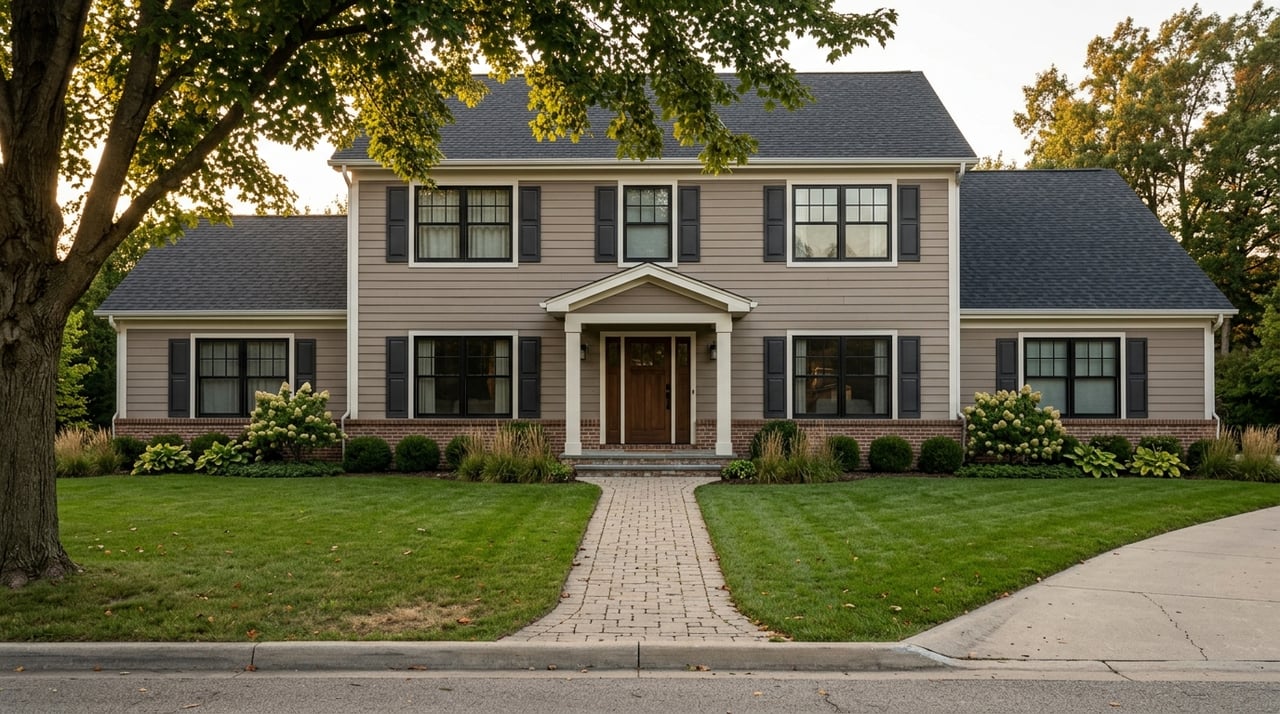
If you are trying to decide between South Lyon and a larger nearby market like Ann Arbor, you are not alone. Many buyers want more space, a comfortable day-to-day pace, and a home that fits both their budget and their routine. The good news is that South Lyon offers a very specific lifestyle, and understanding its tradeoffs can help you decide with confidence. Let’s dive in.
What South Lyon Feels Like
South Lyon is a smaller city with a more suburban feel than Ann Arbor. According to U.S. Census Bureau QuickFacts, South Lyon has 12,107 residents across 3.74 square miles, while Ann Arbor has 122,233 residents across 28.2 square miles.
That difference shapes daily life in a real way. South Lyon has a higher owner-occupied housing rate at 81.3%, compared with 45.5% in Ann Arbor, and 90.7% of residents live in the same home one year later. If you are looking for a place with a steadier, more settled residential pattern, that may appeal to you.
South Lyon also trends older, with a median age of 41.8 compared with 28 in Ann Arbor. This does not make one place better than the other, but it does suggest a different pace and housing mix. If you want a smaller-scale community with a more traditional suburban rhythm, South Lyon may feel like a better fit.
Home Prices and Value
For many buyers, price is the first major comparison point. The Census Bureau reports a median value of owner-occupied housing units in South Lyon of $294,600, compared with $453,400 in Ann Arbor.
Recent Redfin market data tells a similar story. Over the three months ending April 2026, South Lyon’s median sale price was $309,840, while Ann Arbor’s was $444,520. That puts South Lyon about $134,680 lower, or roughly 30.3% below Ann Arbor.
That lower price point does not mean South Lyon is a weak market. It means you may be able to stretch your budget differently, whether that means more square footage, a larger lot, or simply a lower overall purchase price.
Lot Sizes and Housing Types
South Lyon’s housing pattern is rooted in detached homes on neighborhood lots. Its zoning allows one-family residential districts with minimum lot sizes ranging from 7,200 to 15,000 square feet and minimum lot frontages from 60 to 120 feet.
At the same time, South Lyon is not limited to one type of property. The city’s zoning also includes two-family and multiple-family districts, and planned unit development provisions allow attached dwellings, townhouses, apartment buildings, and zero-lot-line configurations.
In the active market, that flexibility shows up in a practical range of options. Recent examples include in-town lots around 6,969 square feet, common suburban parcels around 0.25 to 0.37 acres, and larger edge-of-market properties around 3.3 to nearly 6 acres. If you are deciding between a subdivision home, a condo, or a property with acreage, South Lyon can offer more variety than some buyers expect.
Daily Lifestyle and Amenities
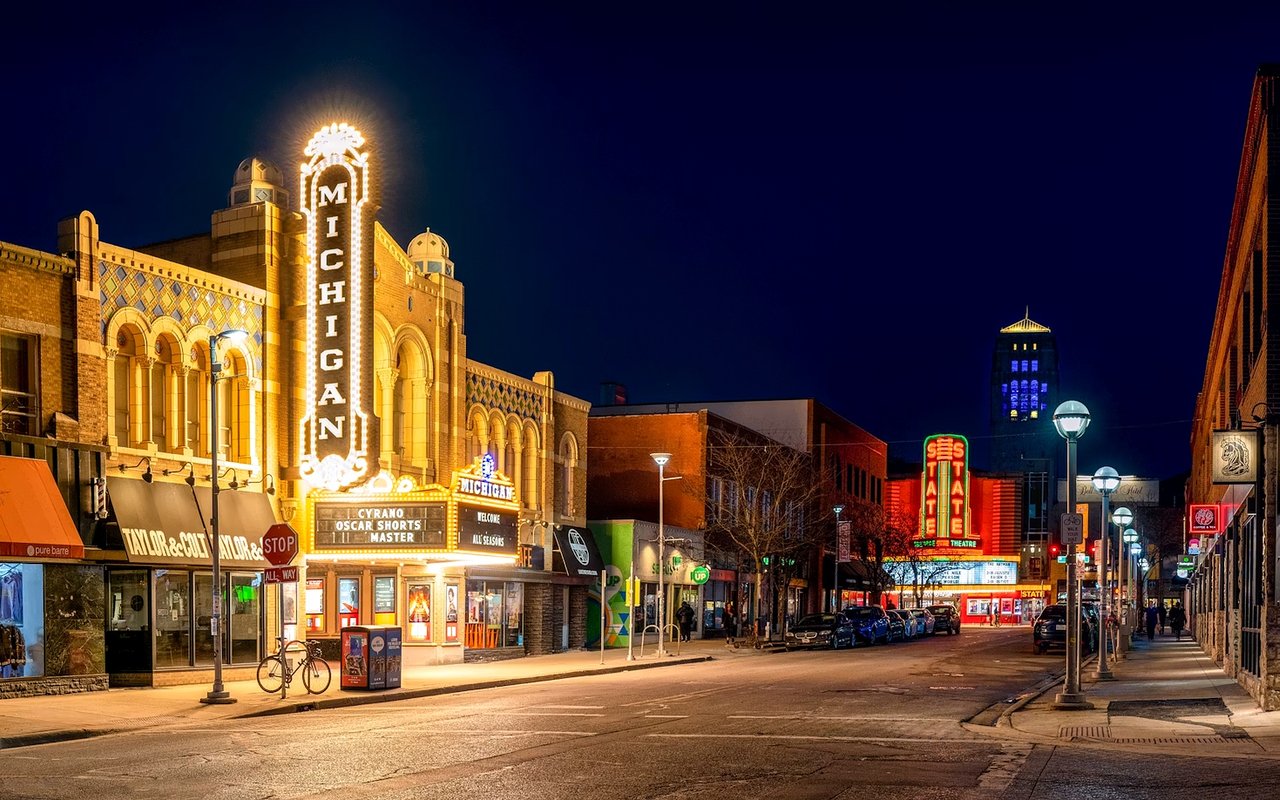
One of South Lyon’s strongest draws is its small-town feel with everyday conveniences close by. Downtown South Lyon describes the area as 12 walkable blocks with more than 100 stores, restaurants, and services.
The city also has over 200 acres of parkland. Local highlights include the Huron Valley Rail Trail, McHattie Park, Volunteer Park, Andover Park, Columbia Park, and Paul Baker Memorial Park.
If outdoor access matters to you, this is an important part of the appeal. The Rail Trail adds recreational value, and parks spread throughout the city support a more neighborhood-centered lifestyle.
Downtown South Lyon also features a weekly farmers market and a social district. McHattie Park is home to the historic Witch’s Hat Depot Museum, which adds a bit of local character to the center of town.
This is where South Lyon stands apart from larger markets. Instead of a broad urban amenity base, you get a compact downtown, local parks, and a more relaxed everyday rhythm.
Commuting and Getting Around
Commute time is one of the biggest practical questions to think through before you buy. The Census Bureau reports a mean travel time to work of 31.7 minutes in South Lyon, compared with 20.0 minutes in Ann Arbor.
If you commute daily, that difference matters. A lower home price can be appealing, but it should be weighed against how much time you want to spend in the car during a typical week.
South Lyon does have transit support, though it is not built around a large fixed-route system. Residents can use People’s Express, a demand-response public transportation provider serving South Lyon and several nearby communities, but riders must give three business days’ notice.
That means South Lyon is better described as car-oriented with selective transit support. If you want frequent fixed-route transit or a more multi-modal environment, a larger city may align better with your lifestyle.
How Competitive Is the Market?
South Lyon is somewhat competitive based on Redfin’s current market snapshot. Over the three months ending April 2026, homes averaged 41 days on market, 54 homes sold in April, and the sale-to-list ratio was 97.8%.
There is still competition, just generally not at the same level as Ann Arbor. Redfin notes that some South Lyon homes receive multiple offers, and in its competitiveness summary, the average home sells for about 2% below list and goes pending in around 23 days.
For buyers, that can mean a more manageable pace. You may still need to act quickly on the right home, but the pressure may feel lower than in a more intense nearby market.
South Lyon vs. Ann Arbor
If you are comparing these two markets, the choice often comes down to lifestyle priorities more than a simple price comparison.
| Factor | South Lyon | Ann Arbor |
|---|---|---|
| Overall feel | Smaller, suburban, lower-density | Larger, more urban, denser |
| Median sale price | $309,840 | $444,520 |
| Owner-occupied rate | 81.3% | 45.5% |
| Mean commute | 31.7 minutes | 20.0 minutes |
| Housing pattern | Detached homes, condos, some acreage | Broader mix with deeper inventory |
| Transit style | Demand-response support | Stronger multi-modal network |
| Downtown feel | Compact and local | Larger and more extensive |
South Lyon may be the right fit if you want more space, a lower price point, and a hometown-style downtown. Ann Arbor may be the better fit if you prioritize shorter average commutes, stronger transit access, and a denser amenity base.
Questions to Ask Yourself
Before you decide, it helps to think about how you actually want to live day to day. A home can check the box on price and size, but still feel wrong if the location does not support your routine.
Here are a few useful questions to ask yourself:
- Do you want a lower purchase price, even if it may come with a longer commute?
- Would you prefer a detached home with more lot space, or are you looking for a denser setting?
- Is a car-first lifestyle comfortable for you?
- Do you want a compact downtown and trail access, or a broader urban amenity network?
- Are you hoping for a market that may offer a bit more room to negotiate?
These questions can help you move beyond broad impressions and focus on fit. That usually leads to a better decision than comparing one city to another on price alone.
When South Lyon Makes Sense
South Lyon can be a strong match if you want suburban space and a more grounded residential feel. It may especially appeal to buyers who value owner-occupied neighborhoods, detached housing, and easy access to parks and trails.
It can also be a smart option if you are trying to stay within a budget while still finding a home with room to grow. With options ranging from condos and neighborhood homes to larger parcels on the edges of the market, it offers flexibility within a suburban framework.
At the same time, South Lyon is not the best fit for every buyer. If your top priorities are frequent transit, higher walkability, or being close to Ann Arbor’s urban core, you may want to look carefully at whether the commute and daily setup work for you.
The right choice is the one that supports your real life, not just your wish list. If you want help weighing South Lyon against Ann Arbor or other nearby communities, JoAnn Barrett can help you compare options and move forward with clarity.
FAQs
Is South Lyon more affordable than Ann Arbor for homebuyers?
- Yes. Recent Redfin data shows a median sale price of $309,840 in South Lyon compared with $444,520 in Ann Arbor, and Census data also shows a lower median value for owner-occupied homes in South Lyon.
What kind of homes can you find in South Lyon?
- South Lyon is known for detached single-family homes on neighborhood lots, but zoning and current listings also show condos, townhome-style options, two-family and multiple-family housing, and larger acreage properties.
What is daily life like in South Lyon?
- South Lyon offers a smaller downtown, over 200 acres of parkland, trail access through the Huron Valley Rail Trail, and a local mix of stores, restaurants, services, and community events.
Is South Lyon a good fit if you commute to work?
- It can be, but you should look closely at your route and schedule. Census data shows a mean commute time of 31.7 minutes in South Lyon, which is longer than Ann Arbor’s 20.0 minutes.
Is the South Lyon housing market competitive right now?
- South Lyon is somewhat competitive. Redfin reports that homes averaged 41 days on market over the three months ending April 2026, with a 97.8% sale-to-list ratio, and some homes still receive multiple offers.
Does South Lyon have public transportation options?
- Yes, though they are more limited than in a larger city. People’s Express provides demand-response transit service in South Lyon and nearby communities, with three business days’ notice required.